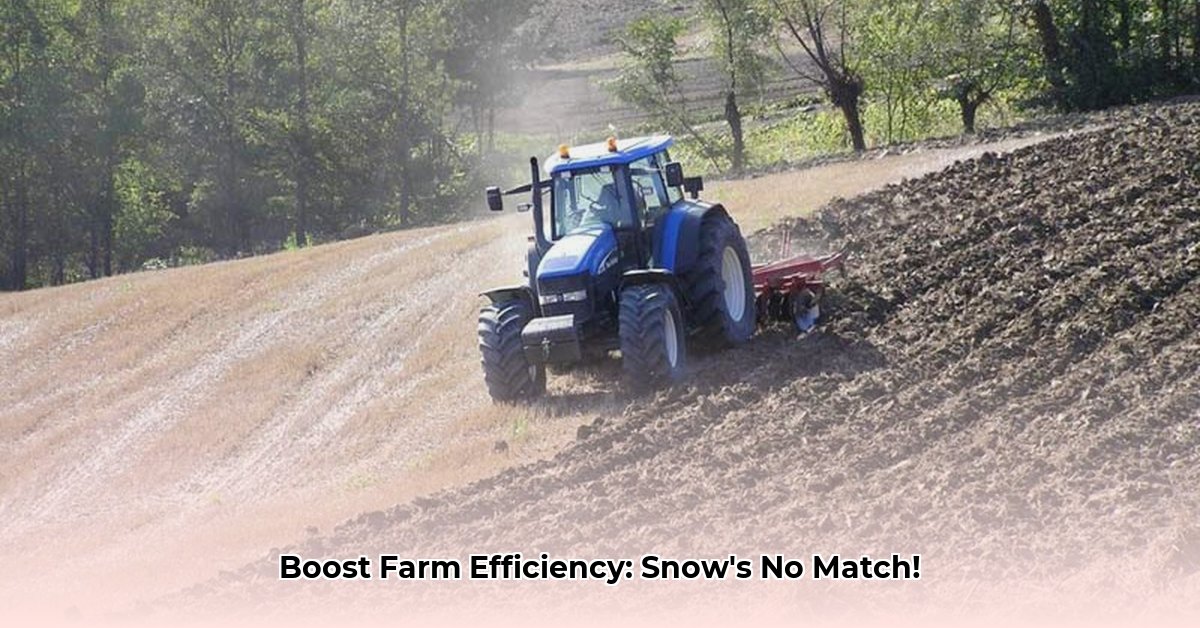
Winter's icy grip can significantly disrupt farm operations, leading to lost time and revenue. Traditional snow removal methods are often inefficient and expensive. However, utilizing existing farm equipment—specifically, tractors equipped with plows—presents a powerful, efficient, and potentially cost-effective solution. This guide provides a practical, step-by-step approach to sustainable tractor-based snow removal, helping you maximize efficiency while minimizing environmental impact. For more information on tractor snow plows, check out this helpful resource: Tractor Snow Plows.
Choosing the Right Tractor & Plow
Selecting the appropriate tractor and plow is paramount for safe and effective snow removal. Several critical factors must be considered to optimize performance and minimize soil compaction. What's your typical annual snowfall? What's the terrain like?
Here's a breakdown to guide your decision-making process:
| Terrain Type | Tractor Horsepower (HP) | Plow Type | Key Considerations |
|---|---|---|---|
| Flat, Light Snowfall | 25-50 | Small, Lightweight Straight Blade | Fuel efficiency and maneuverability are paramount. |
| Rolling Hills, Moderate Snowfall | 50-75 | Medium-Duty Straight Blade | Balance power and weight; excellent traction is crucial. |
| Steep Hills, Heavy Snowfall | 75+ | Heavy-Duty, Possibly V-Plow | Maximum traction and stability are essential; consider specialized tires to minimize soil compaction. |
Beyond horsepower, consider the tractor's weight. While heavier tractors offer more power, excessive weight can lead to significant soil compaction. Therefore, selecting the lightest tractor capable of handling the job is vital to maintaining soil health. The plow type also plays a crucial role. Straight blades are versatile, while V-plows are better suited for heavier snowfalls. Choosing the right combination ensures efficient snow removal without excessive environmental impact.
Sustainable Practices for Tractor Snow Removal
Sustainable snow removal is not merely an aspiration; it's crucial for long-term land health. This section outlines a step-by-step approach to minimizing environmental impact:
Pre-Operation Checklist: Begin with a thorough inspection of your tractor and plow. Verify fluid levels, tire pressure (adjust for optimal ground pressure), and ensure all attachments are securely fastened. This preventative maintenance minimizes breakdowns and boosts fuel efficiency. Don't neglect this critical step!
Strategic Snow Removal: Plan your route to minimize passes over the same area. Prioritize critical areas like access roads and crucial infrastructure. Multiple passes over the same soil significantly increase compaction risk.
Fuel-Efficient Operation: Drive slowly and steadily. Aggressive maneuvers waste fuel and increase wear and tear on equipment. Regular servicing ensures optimal fuel efficiency. Consider using biodiesel or other alternative fuels to reduce your carbon footprint. Implementing these strategies saves you money and the environment.
Post-Operation Procedures: After clearing snow, thoroughly clean your tractor and plow to prevent corrosion and extend equipment lifespan. Store it appropriately, protecting it from the elements. This ensures your equipment is ready for the next snowfall.
Minimizing Soil Compaction: Employ the lightest tractor suitable for the job. Avoid repeated passes over the same areas. In sensitive zones, consider alternative methods like hand-shoveling if feasible. The balance between effective snow removal and soil protection is paramount. Remember, soil health is the foundation of sustainable agriculture.
Cost-Benefit Analysis & Long-Term Planning
A comprehensive cost-benefit analysis is crucial before adopting tractor-based snow removal. Consider:
- Initial Investment: Costs associated with purchasing or leasing the tractor and plow.
- Operating Costs: Fuel costs, maintenance, and potential repair expenses.
- Soil Damage Costs: Evaluating potential long-term effects of soil compaction, including reduced yields and increased remediation costs.
- Government Incentives: Explore potential government subsidies or tax breaks for adopting sustainable agricultural practices. These can significantly alter the economic feasibility of the project.
Long-term planning should involve exploring alternative fuels, such as biodiesel, and partnerships with other snow removal services for unforeseen heavy snowfalls. This approach ensures operational continuity regardless of weather conditions.
Regulatory Compliance
Always comply with all relevant local, state, and federal regulations. These typically include:
- Emission Standards: Adherence to air emission standards to mitigate environmental impact.
- Soil Conservation Laws: Compliance with regulations designed to protect soil health and minimize erosion.
- Road Usage Regulations: Understanding and adhering to any legal restrictions concerning agricultural equipment operation on public roads. Ignoring regulations can result in substantial fines.
By carefully integrating these elements into your strategy, you can effectively utilize plow tractors for snow removal – boosting farm efficiency while minimizing environmental impact and complying with relevant regulations. Remember, sustainable practices are a vital investment in the long-term health and profitability of your farm.